
If the smell of new crayons and fresh notebooks has you itching to start a brand new homeschool year, you’re not alone! There’s something so exciting about flipping the calendar to August (or even July—no judgment here!) and diving into a fresh routine with your little learners.
Whether you’re brand new to homeschooling or gearing up for another cozy year at home, today I want to walk you through how to peacefully plan your homeschool year. No stress. No overcomplicating. Just grace-filled, realistic planning for preschool and early elementary homeschool mamas like us.
Let’s break it down step-by-step!

Table of Contents – Click to jump ahead!

1. Decide How Many Days Per Week You’ll Homeschool
One of the biggest blessings of homeschooling is flexibility! Before you even crack open a curriculum guide for the new homeschool year, decide what kind of rhythm works best for your family. Do you want to do school…
- 4 days a week, with Fridays reserved for playdates, errands, or nature walks?
- A gentle 3-day week with lots of free play and exploration in between?
- A 5-day rhythm that’s broken up into short, relaxed sessions?
Remember—especially for preschool and early elementary ages, less is more. Focus on short, meaningful learning blocks that keep your child’s love for learning alive. A good rule of thumb? Aim for 30-90 minutes of formal learning per day (depending on age), and let the rest be guided by curiosity and creativity.

2. Choose Your Curriculum with Confidence
Once you know how many days you’ll be homeschooling this school year, it’s time to choose what you’ll teach. Don’t worry—you don’t need to buy a boxed curriculum for every subject (unless that’s what works for you!).
Here are a few tips for picking a new year of curriculum:
- Start with the basics: For preschool and early elementary, focus on literacy (phonics, reading aloud, handwriting), math, and a lot of reading. You can read about our favorite Preschool printables when you CLICK HERE!
- Look for open-and-go options: As a busy mom, you’ll love curriculum that doesn’t require hours of prep. So far my favorite open-and-go option has been using The Good and the Beautiful. I’m not an affiliate or anything, we just LOVE this program! They’re very generous and allow you to test their curriculum for FREE, so I definitely recommend taking advantage of that!
- Use what works for you: You are the teacher. If something isn’t clicking, it’s okay to adjust or try something new mid-year.
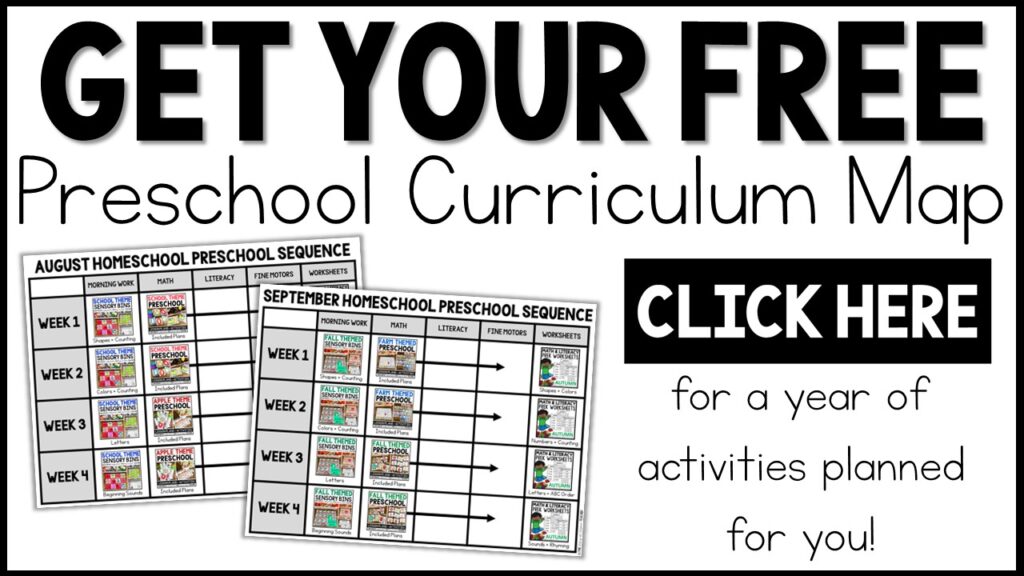
Not sure where to begin? I’ve created tons of preschool and Kindergarten printables and seasonal learning packs that make learning fun, gentle, and simple! (CLICK HERE to check out my shop for ideas!)

3. Plan for Extra-Curricular Activities
Just because your child isn’t in public school doesn’t mean they can’t enjoy fun extras! The beauty of homeschooling is that you can hand-pick the extras that suit your child’s interests and your family’s values.
Some fun ideas for extra-curriculars:
- Music or dance lessons
- A weekly library storytime
- Sports (like soccer or t-ball for littles)
- Nature group or nature journaling walks
- Art classes at a local community center
Now I’ll be honest… When it’s time to choose our extra activities for a new school year, it’s easy for me to feel like we need to be involved in all the things. I think it’s common for us to buy into the lie that being busy is best. (More on that soap box another day…) But I’m going to preach to the choice with this one – You don’t have to sign up for everything every school year. One or two well-chosen activities per season is more than enough. Keep your family’s margin in mind—overwhelm helps no one!

4. Build In Opportunities for Social Connection
One of the most common questions homeschool moms get is: “But what about socialization?” (Cue the eye roll, right?) The truth is, homeschool kids do socialize—just often in different, more intentional ways. Here’s how you can engage your little ones socially throughout the school year:
- Join or start a homeschool co-op (even if it’s just a few families meeting once a week)
- Host a monthly playdate or themed activity day
- Attend church activities or Bible clubs
- Meet up regularly with another homeschool family for park days or field trips
Remember: quality matters more than quantity. A few consistent friendships can go a long way in building your child’s confidence and joy.
A Gentle Reminder…
Mama, you don’t need a color-coded planner or a rigid schedule to have an amazing homeschool year. You need love, consistency, and a willingness to learn alongside your child.
The best homeschool plans are the ones that leave room for growth and grace. So as you sit down with your coffee and your notebook to plan the new school year, take a deep breath and pray over your year. God has already gone before you—and He’ll be with you in every read-aloud, every math worksheet, and every messy art project.
You’ve got this, friend. Let’s make this homeschool year one to remember!
With love and coffee,
The Stay-at-Home Teacher
LET’S HANG OUT!
I’d love to chat and get to know you better! You can find us below in some of our favorite places to hang out. Can’t wait to learn more about your homeschool journey!
SAVE THIS POST FOR LATER!
Was this post about how we plan our homeschool year helpful? Make sure you can come back to it as much as you need by saving it for later on Pinterest! Click the image below to save this pin to your favorite homeschool board!


0